Safe driving with a trailer
Many drivers focus primarily on their towing vehicle. In doing so, they often overlook the fact that trailers perform heavy-duty work day in, day out. This makes it all the more important to give the necessary attention to the units being towed as well. Professional maintenance and regular inspections not only extend the service life of the trailer, but also ensure maximum safety while driving. You can find out what you should pay attention to here.

Safety: What matters when it comes to trailers
Passenger car trailers in Germany are getting older and older. According to the Federal Motor Transport Authority (Kraftfahrt-Bundesamt), the average age of trailers towed by passenger cars is currently almost 19 years. This makes it all the more important—especially with older models—to pay close attention to safety. What really matters is explained below.
Checklist: Ready to go after the winter break
You can and should do this yourself: After a longer period of inactivity, thoroughly inspect the trailer once. These are the most important points:
- Body & Structure: Are there any damages or loose parts?
- Tires: Check air pressure, tread depth, and look for possible cracks.
- Lights & Electrics: Are all lights working properly?
- Brakes & Tow Hitch: Check for smooth movement and signs of wear.
- Inspection & Service Appointments: Are all inspections up to date?
If you are unsure about anything after your inspection, it is advisable to have the trailer checked at a specialist workshop.
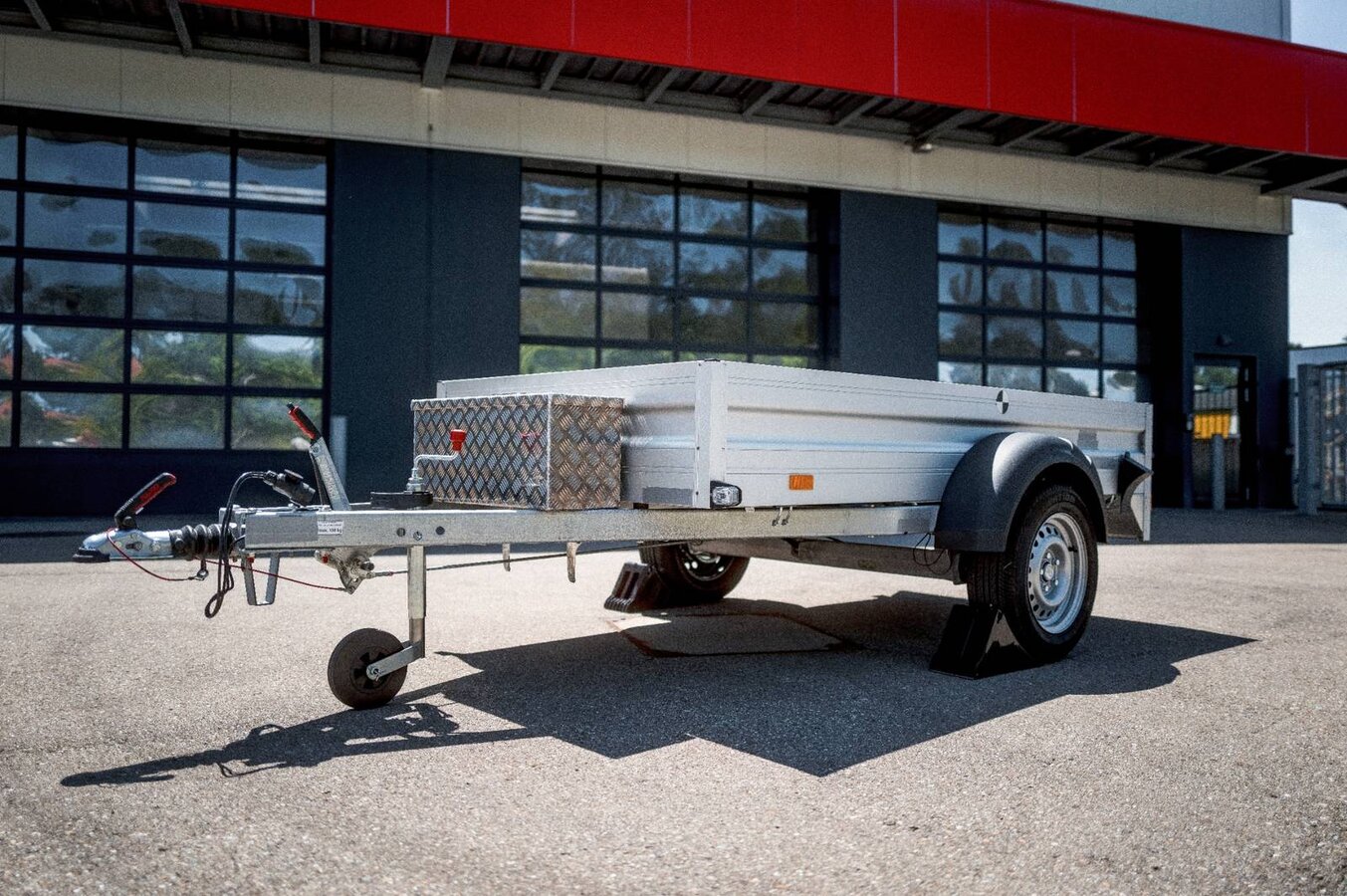
Brakes: When is an upgrade worthwhile?
Especially older trailer models can be made safer by upgrading to a modern braking system. AL-KO’s AAA brakes reduce braking distances and also provide greater driving comfort. Once the linings of the old brakes are worn, you should therefore consider a replacement. Retrofitting is possible for AL-KO axles manufactured from 1999 onwards. After the upgrade, no additional inspection by the TÜV is required.
More safety with the AAA Premium Brake
With its AAA (AL-KO Automatic Adjustment) premium brake, AL-KO has significantly advanced braking technology. As soon as excessive play develops in the brake linings, the system automatically makes the necessary adjustments. This protects the brake linings, fully utilizes the service life of the wheel brake, and minimizes braking distance.
Regular maintenance is still essential. Brake linkages or Bowden cables must be readjusted at regular intervals, and the drum brakes must be serviced. This ensures optimal transmission of braking forces and achieves the shortest possible braking distance for your vehicle–trailer combination.
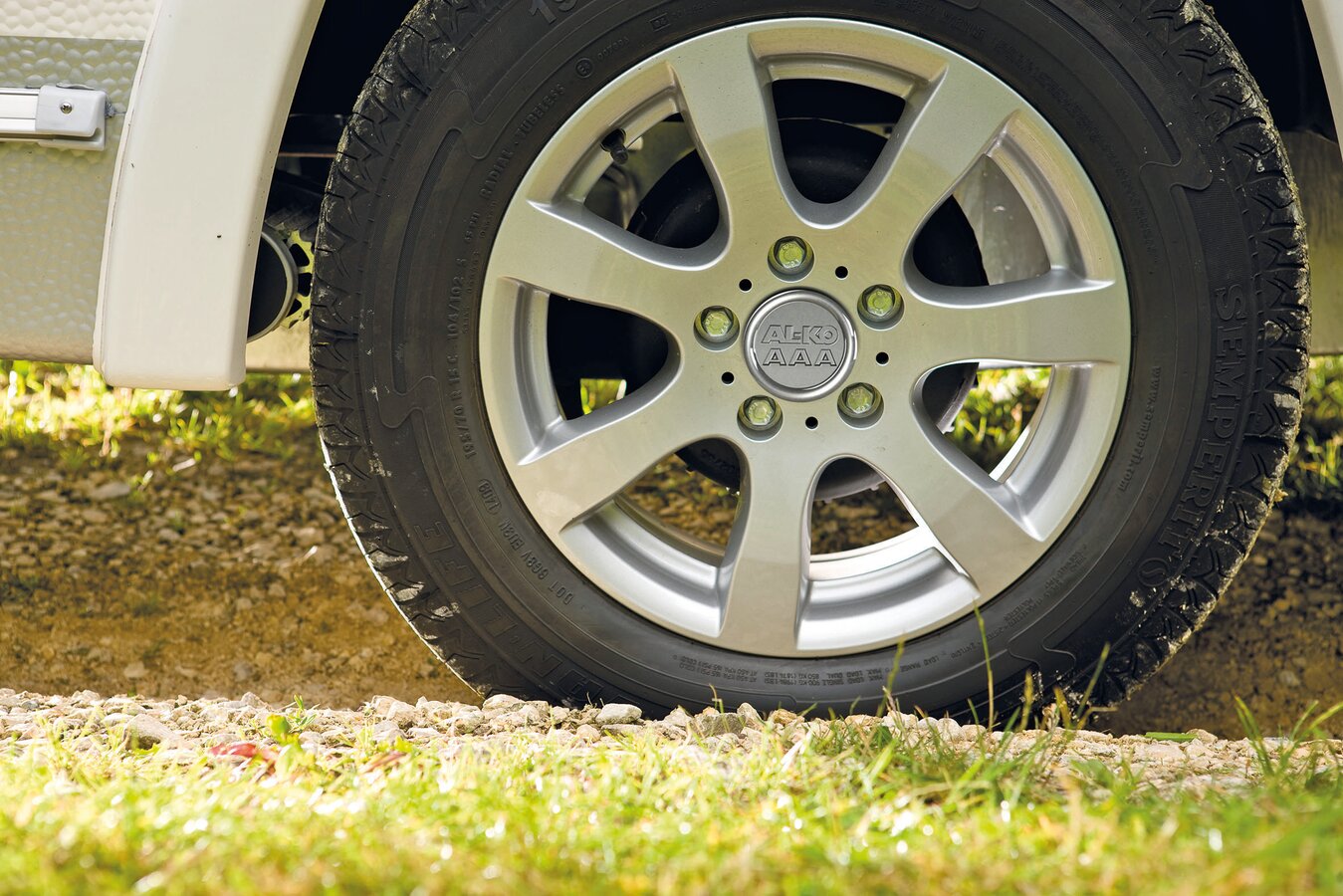
Mehr Fahrkomfort mit der AAA
More driving comfort with the AAA system
The AAA system from AL-KO VT ensures smooth transmission of braking forces and makes reversing with a trailer just as easy as driving forwards.
Older drum brake models tend to cause jerking—minor irregularities during braking that are noticeable in the towing vehicle. AL-KO’s AAA reliably prevents this effect.
In addition, older drum brake systems activate the braking function when reversing. With the AL-KO VT AAA, this is a thing of the past. Thanks to a special mechanism inside the brake drums, the system automatically detects when the vehicle is reversing, so no manual intervention is required.
Conclusion
Tips for safe driving with a trailer
- Distribute the load correctly:
Place heavy items in the center and observe the permissible nose weight. - Secure the load:
Tie-down straps and nets prevent the cargo from shifting. - Allow for longer braking distances:
Trailers significantly increase braking distance. - Adjust your cornering:
Drive more slowly to avoid swaying. - Practice reversing:
An open area is ideal for practicing.
You can read more about proper driving and braking with a trailer from our Head of Service, Florian Vorreiter, here on the blog:
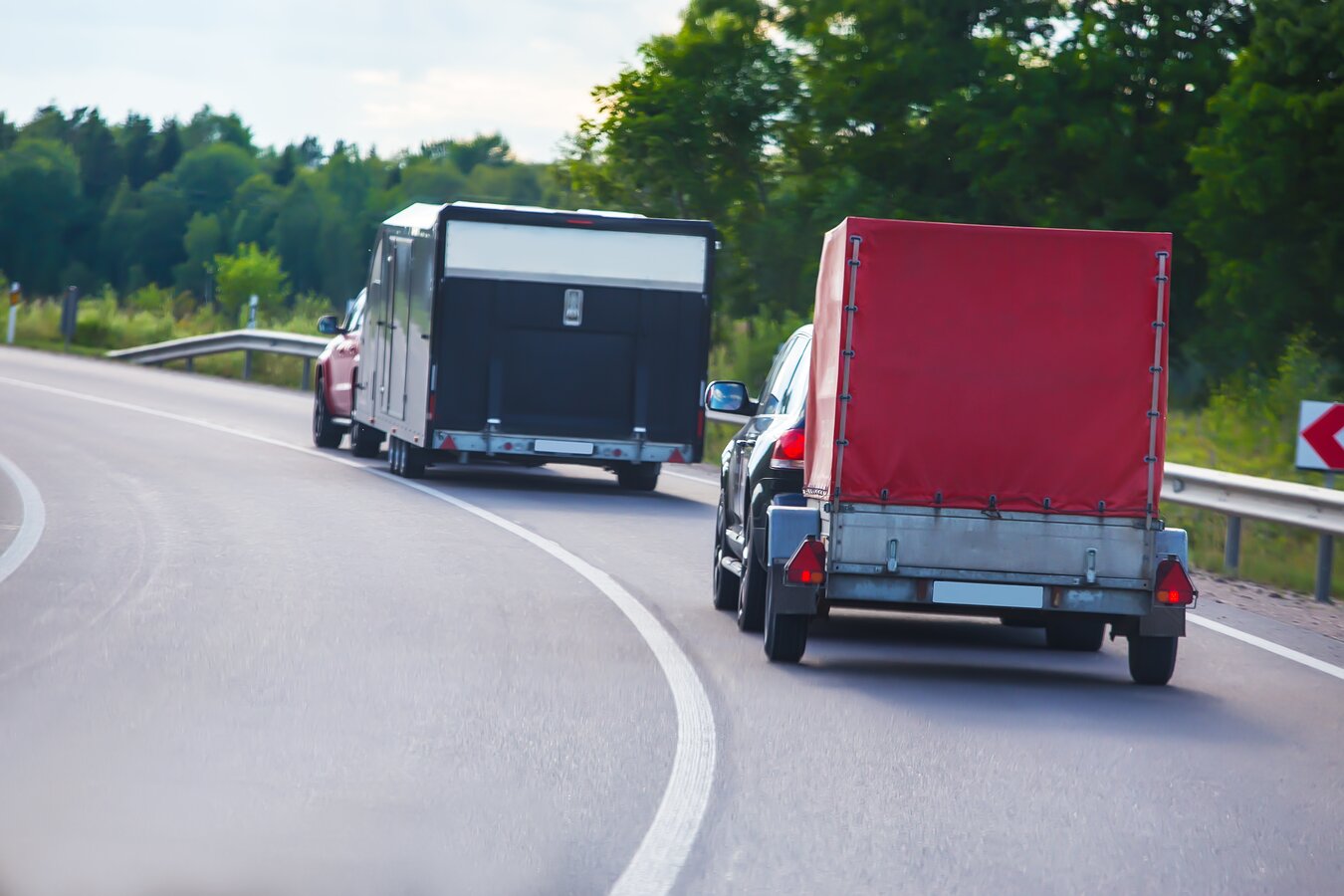

Topics best left to the professionals
You should keep these tasks in mind and have them carried out by a professional workshop or an AL-KO Service Center. This way, you’ll enjoy your trailer for a long time:
- Regular inspections:
After no more than 1,500 km or six months, have the brakes checked for the first time. After that, have brake lining wear inspected every 10,000 km or annually—earlier if you frequently drive in mountainous areas. - Adjusting the wheel brake:
Adjustment is carried out directly on the wheel brake via the adjustment nut, not on the linkage. The remaining lining thickness should be at least 2 mm. - Every two years, open the wheel brakes, check internal components for proper function and freedom of movement, clean them, and lubricate with heat-resistant grease.
- Replacing brake shoes:
Replace the brake shoes after five to six years at the latest, or sooner if the lining thickness is insufficient. - Checking wheels and cables:
Regularly check wheel bolts using the specified torque and retighten if necessary. Bowden cables should be protected against moisture to prevent corrosion and failures. Ideally, use AL-KO Professional Longlife Bowden cables.